
Climate change is noticeable: To counteract this trend, various measures are needed. One of them is planting trees. But does it actually help, or does it even do more harm than good?
Countless projects and NGOs now offer reforestation of degraded forests and former agricultural land in exchange for donations.
But is it really enough to simply plant a few trees so you can book your next vacation without feeling guilty? Or is this essentially just a way to ease your own conscience? You’ll find out all of this in the following paragraphs and chapters.
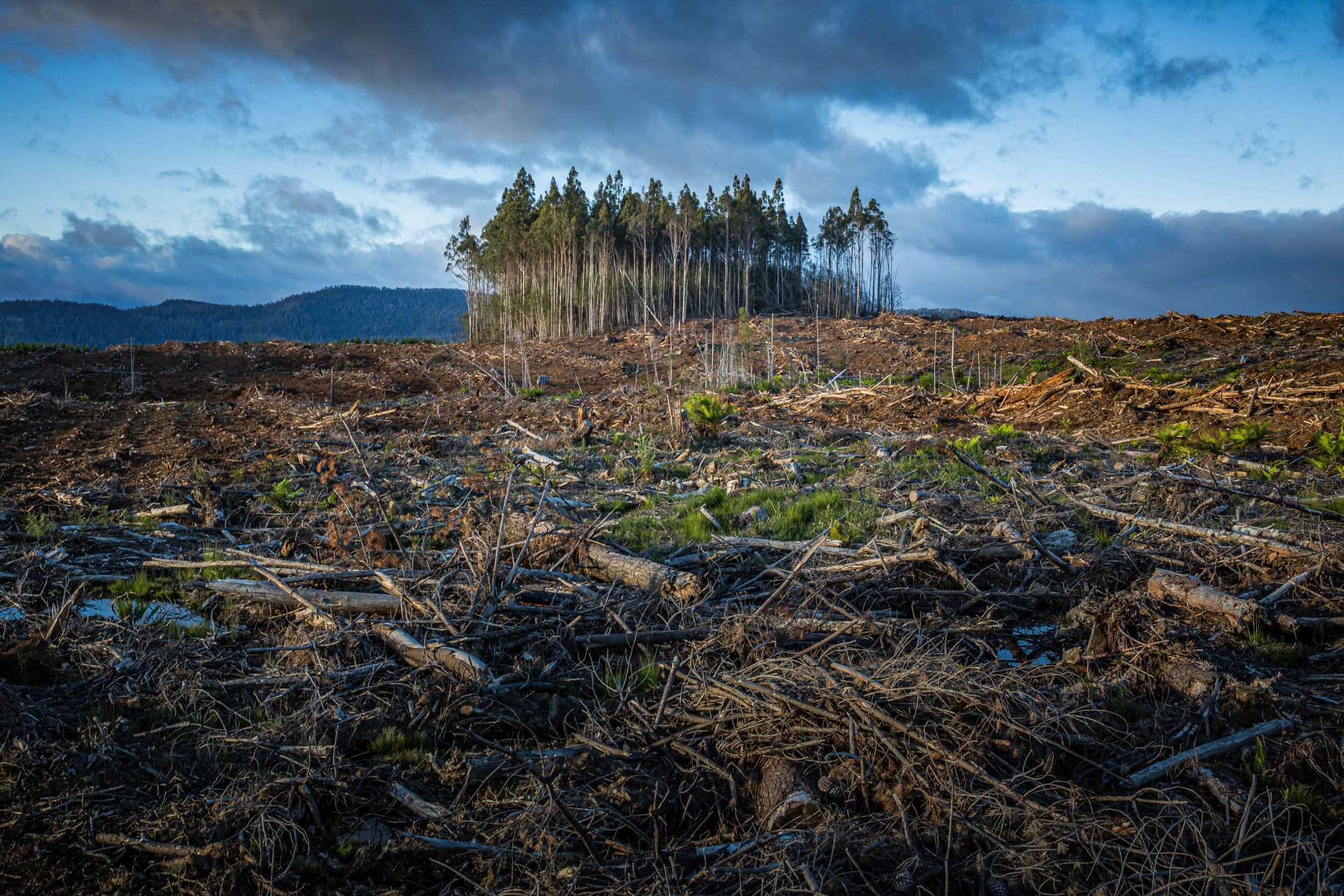
1. Planting Trees to Help the Climate?
One-third of the world’s land area is covered by trees or forests (in Europe, the figure is approximately 40%). These absorb 2.1 billion metric tons of CO₂ per year and release oxygen in return. That’s a lot! In fact, the Amazon Rainforest—which is also vast in size—accounts for 20% of the world’s oxygen production all by itself. For now.
But now let’s get back to the question of whether it makes sense to plant new trees to combat climate change. Is this really a sustainable method of carbon offsetting?
Here are a few reasons why reforesting wooded areas is beneficial:
1.1 Offsetting Lost Forest Area
The areas covered by trees and forests are shrinking every year, as this Global Forest Watch map clearly shows. 15 billion trees are still being cut down worldwide each year. In 2020, 4.2 million hectares of native rainforest were lost as a result— an area roughly equivalent to that of Switzerland. A single tree absorbs up to 22 kg of CO₂ per year. Thus, 15% of global greenhouse gas emissions are caused solely by ongoing deforestation.
The latest findings from the UN do, however, indicate a general slowdown in the rate of loss compared to recent decades. This is primarily due to a reduction in deforestation in certain countries. However, these measures have not yet been sufficient to offset the ongoing loss of global forest cover.
A popular example of tropical rainforest restoration is Costa Rica. Through a combination of strong conservation efforts (about 30% of the country is designated as protected areas), targeted reforestation, and an economy focused on sound environmental policies, forest cover has been able to regenerate over the past 30 years. In 1987, only 21% of the country’s land area was covered by forest. Today, 54% of the land is once again covered by forest.
1.2 The scientific community is (generally) in agreement:
One of the best-known —and most widely discussed—studies on the topic of “planting trees to combat climate change” comes from ETH Zurich. This study involves a data-driven model that calculates the effect of completely reforesting the land area that would be potentially suitable for tree growth. Of course, this is purely theoretical, based on the underlying assumptions and the data entered.
The individual findings and conclusions may therefore still be the subject of scientific debate at this time. However, while the details are being discussed, it is undisputed even within the scientific community that planting trees on a large scale could contribute significantly to reducing human-caused CO₂ emissions. This means that CO₂ already present in the atmosphere could be sequestered—at least in part—thereby offsetting our impact on the climate.
This short TED Talk also highlights once again the positive impact of trees on the global climate:
1.3 Important Additional Benefits of Trees
Aside from sequestering carbon dioxide and releasing oxygen (which we—and many other living beings—breathe in), trees and forests are important for many other reasons:
-
Air filters: Trees use their leaves or needles to filter the air, removing dust and dirt particles—up to 100 kg per year. The particles are then washed away by rain and thus trapped in the soil.
-
Water Filters: The forest floor—composed of tree roots, fungi, and millions of microorganisms—acts as a filtration and buffering system for stormwater. This water is purified, keeping the groundwater clean and drinkable. In addition, excess water can be retained by plant roots, which helps prevent flooding and erosion.
-
Biodiversity: A wide variety of animals (as well as fungi and other plants) depend on trees for their survival. This can take the form of nesting sites, food, habitat, and/or shelter.
-
Shade Providers: A single, well-positioned tree can help save up to 25% of the energy used to heat and/or cool a home.
-
Wind and Erosion Control: On steep slopes, trees can prevent landslides, rockfalls, and mudslides, while in flat areas they help protect the soil surface and prevent erosion. Anyone who has ever been enveloped by a cloud of dust from a nearby field while walking in nature during strong winds surely understands what we’re talking about.
-
Recreation and Quality of Life: Vienna, Zurich, and Basel are among the cities with the highest quality of life in international comparisons. One thing they have in common is the high proportion of green spaces and the large number of trees within their urban areas. It is no coincidence that climate and environment are among the most important factors in assessing quality of life according to the Mercer Index.
Reforestation certainly helps us make amends for our past sins, so the question should not be whether, but rather to what extent, reforestation is truly worthwhile.
Instead of getting bogged down in philosophical debates about principles, we should rather define the first concrete—and, above all, substantive— steps on the path to climate neutrality (and beyond).
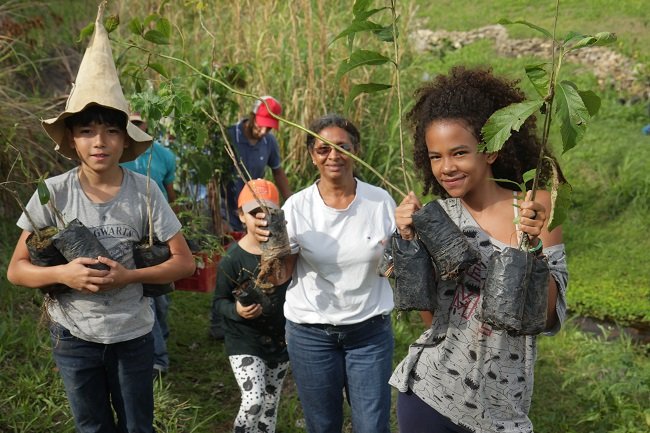
2. Is One Tree Planted a reputable organization?
One Tree Planted is a nonprofit organization (NGO) and has been recognized by independent sources as a highly effective organization. Below are a few examples of certifications and awards:
-
“Give with Confidence” rating from Charity Navigator
-
Ranked No. 1 among the best organizations for planting trees on Impactful Ninja
-
Recipient of the highest transparency certification, the “Platinum Seal of Transparency” from GuideStar
For more information about One Tree Planted, click here.
We at onlineKarma, a Basel-based online marketing and SEO agency, make donations so that trees can be planted in our name. We have chosen to partner with the organization One Tree Planted.

Transparent and recognized as independent
One Tree Planted is a nonprofit organization founded by Matt Hill in 2014. The organization is dedicated to making it easier for individuals and businesses to plant trees. With your donation, you can easily contribute to climate protection with just a few clicks.
The funded projects are spread across the globe and are carried out in collaboration with local communities and experts. This approach creates multiple benefits for nature, people, and wildlife. Reforestation contributes to:
-
To regenerateforests after fires and floods ,
-
to create socially responsible jobs ,
-
and restore biodiversity.
Many of these projects have overlapping goals, thereby creating a synergistic combination that, when coordinated, contributes to the achievement of the UN Sustainable Development Goals.
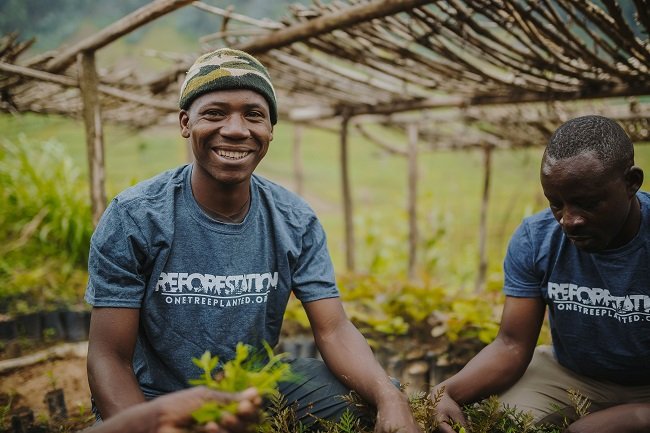
3. Is Eden Reforestation Projects a reputable organization?
Eden Reforestation Projects is a reputable and trustworthy organization dedicated to reforestation worldwide.
The benefits of her work are diverse and long-lasting:
-
Combats the loss of biodiversity: By planting new trees, Eden creates habitats for numerous animal and plant species, which contributes significantly to the conservation of biodiversity.
-
Helps the climate by sequestering carbon dioxide: Trees are natural carbon sinks. Through its projects, Eden Reforestation Projectsactively contributes to reducing CO₂ in the atmosphere and thus helps combat climate change.
-
Generates a steady income and helps eliminate poverty: Eden Reforestation Projects provides jobs for local communities, which improves their economic situation and helps reduce poverty.
-
Prevents water damage and erosion: Reforestation projects stabilize the soil, improve water retention, and reduce the risk of flooding and erosion.
Eden Reforestation Projects is a nonprofit NGO that meets the highest quality standards and consistently receives high ratings from external charity auditors.
It currently holds Candid’s Platinum Seal of Transparency and a three-star rating from Charity Navigator.
For more details about this initiative, visit Review Forest.
You can find additional information about onlineKarma’s sustainability projects here. 🌱
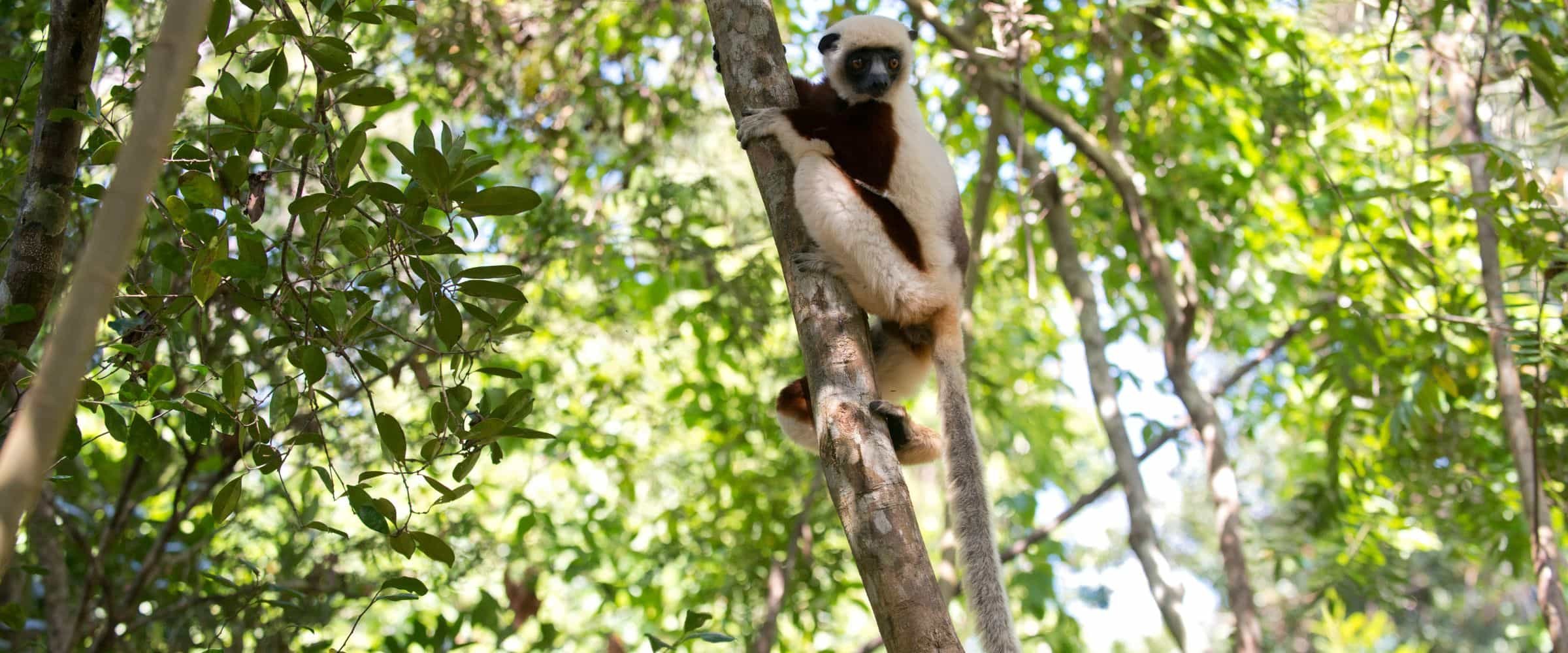
4. Tree Donation: Choosing the Right Organization
For individuals or companies looking to contribute to climate offsetting, donating to a project that plants trees is certainly a worthwhile option. However, to ensure that this good deed has a long-term impact , there are a few important points to consider when selecting a project :
-
Reforestation projects, carbon offset providers, and even chocolate manufacturers and airlines now offer to plant trees to save the climate—and to ease your conscience after you’ve just booked your second long-haul flight this year. It’s important to note, however, that these aren’t just a form of indulgence trading, but legitimate initiatives. You should therefore pay particular attention to the two factors of transparency and the quality of the offsets. Seals of approval can help you assess a project’s trustworthiness.
Examples of recognized and trustworthy labels: Gold Standard or Verified Carbon Standard
-
Make sure you find out exactly which projects the initiative you’ve chosen specifically supports. Is a long-term approach being taken, or are trees simply being planted haphazardly just to give supporters something to show for their money?
Not every tree species is suitable for every location! Nor is every mix of tree species necessarily the best choice for forest regeneration at a given location (keyword: mixed stands, not monocultures). The selected initiative should, in any case, provide transparency regarding the projects and the use of donated funds.
Example: The One Tree Planted project “Plant Trees for Biodiversity, ” which has the specific goal of promoting biodiversity in various countries.
-
A long-term approach also involves engaging the local community, including the establishment of social projects. A tree must continue to be cared for after it is planted in order to grow. Someone on site must take on this responsibility and prioritize the long-term benefits of caring for the tree over the short-term benefit of cutting it down. Similarly, the purpose of a reforestation project is lost if, in exchange for reforesting one area of forest, another (usually larger) area is cleared—a process known as the “leakage effect.”
Example: The One Tree Planted project in Rwanda, in which farmers are guided and supported by women’s cooperatives to manage their land in new ways while improving their quality of life.
Now you know that planting trees is important for a variety of reasons. After all, we want to live on a healthy planet, because it is our home.
Nevertheless, the fact remains that only a combination of protecting existing ecosystems, sensible reforestation, and sustainable changes in our consumption habits can slow climate change in the long term (interesting carbon footprint calculator). Anyone who wants to offset part of their carbon footprint by planting trees should be sure to research the transparency and quality of the selected projects beforehand.