
We’ve taken a look at the most valuable marketing trends for the coming year and have put together a few tips on how to implement them[1]. We hope these insights will be the key to a successful 2020 for you and your business.

🔑#1: Tools, tools, more and more tools
On average, SMEs use more than 8 different tools and technical options to communicate with their customers[2]. However, this figure stands in stark contrast to the range of different technological solutions available in online marketing.
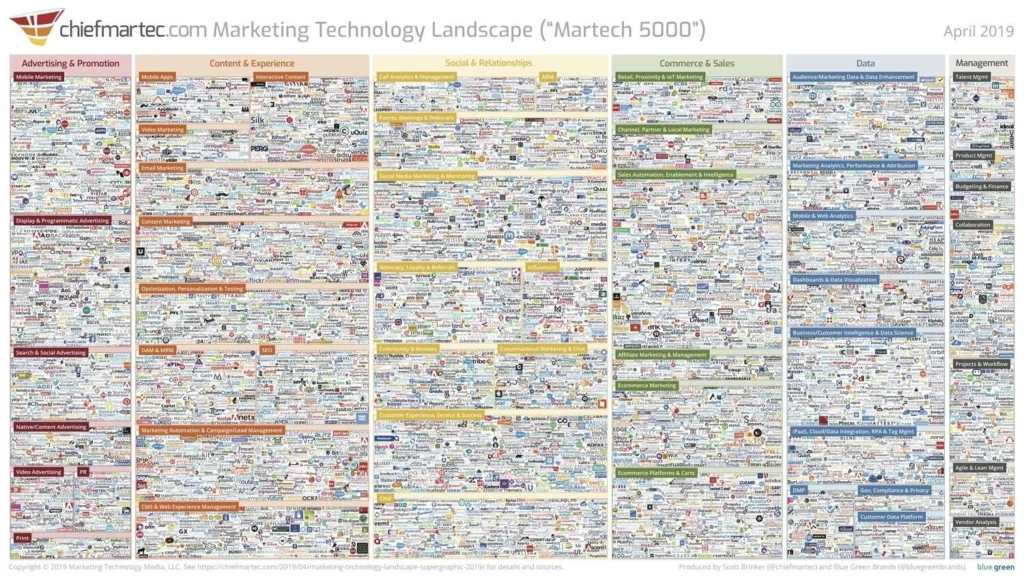
In 2019, there were more than 7,000 technological solutions for online marketing on the market[3].
According to a representative survey of American small and medium-sized businesses conducted by the email marketing service MailChimp, two-thirds of decision-makers in marketing departments are interested in trying out new tools and ideas and adhering to current best practices.
What they lack, however, is the time to figure out exactly what these best-practice approaches are and how they can be implemented. Not surprisingly, 31% of SMEs reported that marketing is their biggest challenge[4].
However, that doesn’t mean that small and medium-sized businesses don’t make the effort to stay informed about the latest trends and tools.
Newer companies often use resources such as social media, podcasts, and blogs to stay up to date on the latest innovations. Older companies, on the other hand, tend to rely on emails from marketing firms to stay informed.
🔑#2: Multichannel has become indispensable
The premise and idea behind multichannel marketing is that by providing multiple communication channels, users can choose their preferred option. This makes it easier to reach them.
In most cases, multichannel campaigns perform better than single-channel campaigns.
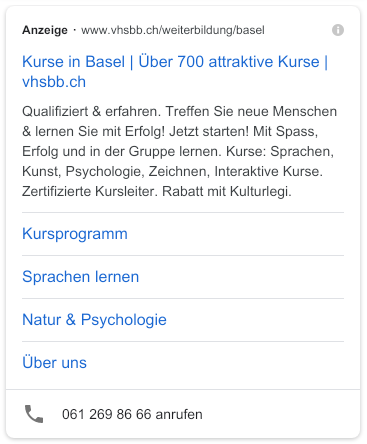
A concrete example of multichannel marketing is the ability to include a phone number in Google ads. This allows users to call right away if they want to.
So it’s worth finding the right mix of channels and platforms that are relevant to your target audience. By conducting tests and analyzing data, you can figure out what works best.
🔑#3: Strategic planning is back in style
Creating relevant content can be very difficult if you don’t have a clear strategy in place. Think about which topics you want to focus on and what promotions or events you’ll be holding in the coming year. Once you’ve identified these key milestones, you can build your narrative around them.
Find Trustworthy and Professional Partners
You don’t have to do everything on your own. Find people who know your industry and learn from them. Take advantage of all the resources that can help you use market changes to your advantage.

🔑#4: The Evergreens: Email and Social Media
Despite the changes in the marketing landscape mentioned above, it’s worth not neglecting the tried-and-true channels of email and social media.
Email and social media remain the most important marketing tools for small and medium-sized businesses.
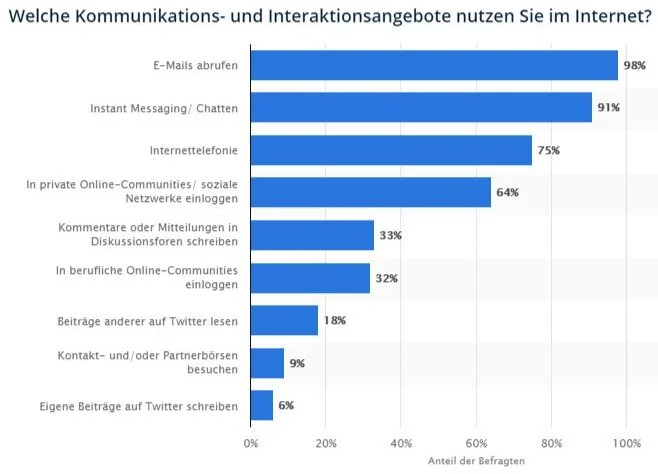
Want proof? In Switzerland, 98% of people use the Internet to check their email[5], and nearly 300 billion emails are sent worldwide every day[6].
More than half of the Swiss population also uses social media platforms such as Facebook, Instagram, or LinkedIn—in absolute terms, that amounts to 4.4 million social media users[7]. And 89% of all companies in Switzerland have a social media profile[8].
🔑#5: Get tested if you can (which means everyone)
For every franc you spend on advertising, you should run tests and learn something new. Unsuccessful campaigns don’t mean a complete failure—on the contrary, they help you gain valuable insights for future campaigns. Discover new approaches and repeat the testing process until you succeed.
The data will guide you.
Should you invest more in social media? Should you send out your newsletter once a week instead of once a month? Test your content, frequency, and channels to see what works, and improve what doesn’t.
🔑#6: Personalization and Scalability
Personalization plays an important role in optimizing your campaigns, but you need the right systems to scale effectively. Make sure your marketing tools allow you to divide your target audience into smaller segments and engage them with personalized and relevant content across various channels.
The use of data to determine the next best step will be crucial in 2020.

Base your strategy on data-driven decisions. Target specific audiences on Instagram. Set up automated emails for shoppers who abandon their carts on your website. Use the data at your disposal to make smarter decisions for every campaign.
🔑#7: Increased brand awareness = effective growth
Both new and long-established companies are interested in being able to grow.
What many people don’t realize is that raising awareness and paying attention is the first step toward growth.
This also means it’s time to start thinking about marketing a little differently. Marketing is essential during the so-called ” product-market fit ” phase, not just as a one-off campaign once the company has already begun operations.
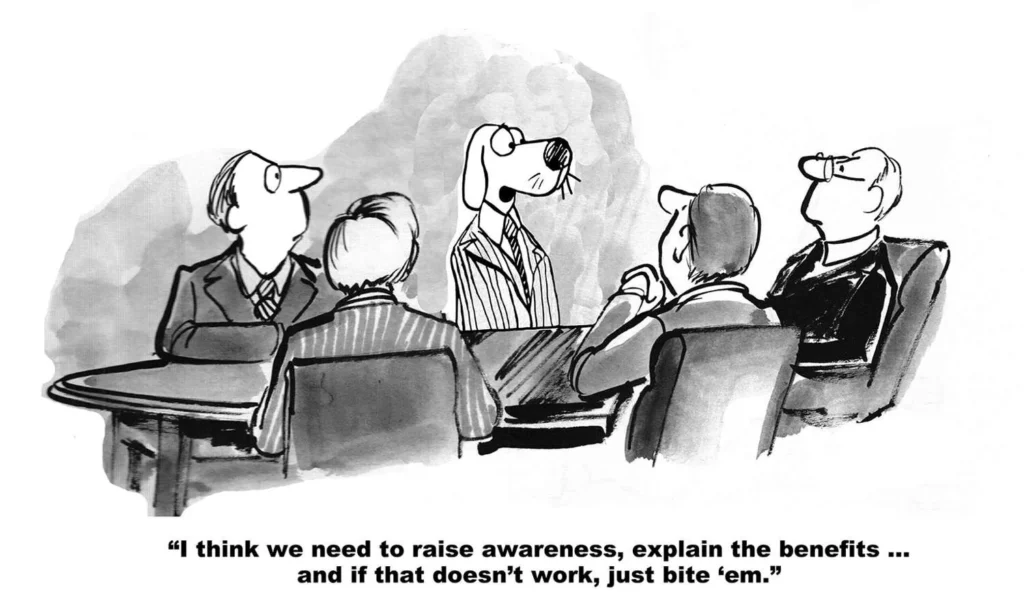
This includes the landing page you build to collect email addresses. It includes the newsletters you send to recipients while your product is still in the testing phase. It includes the message you create for your crowdfunding campaign. All of these things increase your visibility, help build your brand, and help you build a relationship with your target audience.
And that ultimately leads to growth, because growth is the result of your efforts.
Start raising awareness about your brand and product even while you’re still in the development phase. Have segments of your target audience participate in a beta test. This will give you valuable feedback directly from the people you plan to sell your finished product to later on.
Always keep the entire customer journey in mind.
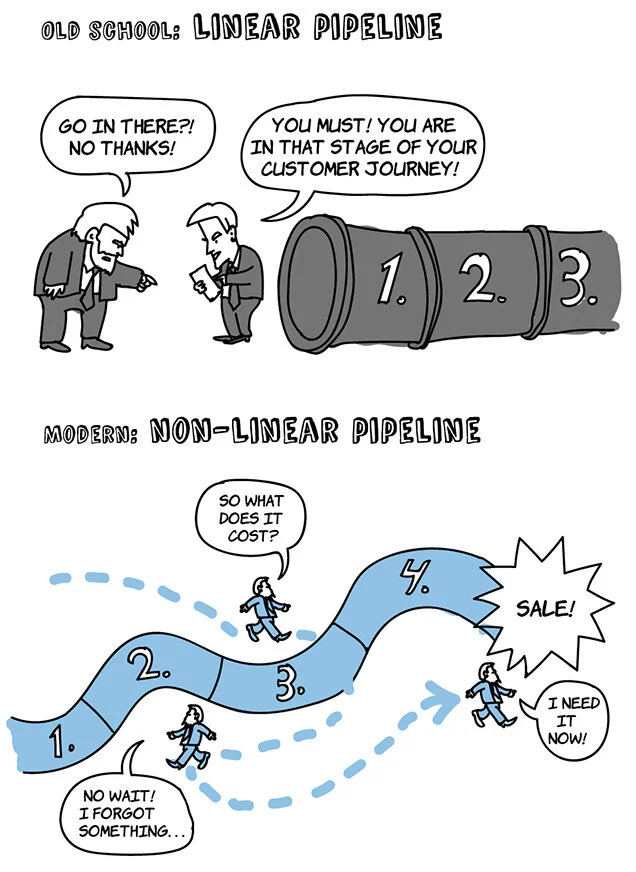
Every interaction between your audience and your brand is important. So think carefully about how you communicate with people over time. Make sure that every touchpoint is part of a larger interaction and aligns with your key business goals.
Continuously develop your brand
Branding is never finished, and it shouldn’t be. What worked at the beginning will eventually stop working, and that’s okay.
Marketing can help you make refinements and adjustments until everything feels just right.
🔑#8: Automation is here to stay
According to the “Golden Rule of 7,” your prospects must see your brand’s or product’s message at least seven times before they interact with it. When you combine this obvious need for repetition with all the other media also vying for consumers’ attention, you quickly realize the need for technology and automation.
With a successfully implemented marketing automation strategy, your company can expect a 15–30% increase in revenue—and that’s with a 12% reduction in marketing costs[9].
Another statistic shows that automated welcome emails lead to a 9-fold increase in the conversion rate[10].

Review your workflows to identify opportunities where technology and automation can save you time. Let your tools do the work for you.
No human can work around the clock, but technology can.
Whether you want to automatically welcome your newest customers or bring back your most loyal ones without lifting a finger, automation can help.

Don’t waste valuable time copying and pasting the same messages into multiple channels. Instead, use a tool that lets you create consistent brand messaging across all your channels with just one click.
In our view, these are the most important marketing trends for small and medium-sized businesses in 2020. If you invest in these areas, you’ll be well-positioned for your business to succeed in 2020.
And now: Best of luck in the new year, and have a great New Year’s Eve! 🥳


SMEs in Switzerland
Small and medium-sized enterprises play a crucial role in the Swiss economy. From the village bakery to the machinery manufacturer to the latest IT startup, SMEs make up the overwhelming majority of businesses and account for two-thirds of the jobs in our country[11]. They contribute significantly to entrepreneurial creativity and economic growth.
But starting your own small business involves so much risk, doesn’t it? Well, the statistics tell a different story. While entrepreneurial success is never guaranteed, the success rates in Switzerland for those willing to take the plunge are reassuring: After one year, 84% of newly founded companies are still in business; after two years, the figure is 71%; and after three years, it’s 62%[12].
Sources:
[1] The content of this blog is based on the Mailchimp Report “A Look Back at 2019’s Small Business Marketing Trends.”
[2] Mailchimp Product Tracker
[3] chiefmartec.com, Marketing Technology Landscape Supergraphic (2019)
[4] Mailchimp Report, Why Small Businesses Should Start Marketing on Day One
[5] IPMZ, University of Zurich, Internet Applications and Their Use in Switzerland in 2019
[6] The Radicati Group, Email Statistics Report, 2019–2023
[7] wearesocial.com, Global Digital Report 2019
[8] Bernet ZHAW study, Social Media in Organizations, 2018
[9] marketingautomation.tech/eignung/
[10] Mailchimp user data, July 2019
[11] Business Structure Statistics (FSO), SMEs by the Numbers
[12] FSO, Statistics on Business Demographics 2013–2017