Christmas is just around the corner again. That also means your online campaigns on Google for the holiday shopping season are practically finalized and will launch soon—if they aren’t already up and running. No matter what stage of your campaign you’re currently in, this clear checklist[1] will help you be fully prepared for the holiday shopping season.

1. Identify trends, define goals and a budget
67% of Christmas purchases are researched online before a purchase is made[2]. Last year, there were a few days that stood out in terms of shopping volume. When planning your promotions and campaigns, be sure to take into account key dates with increased demand.
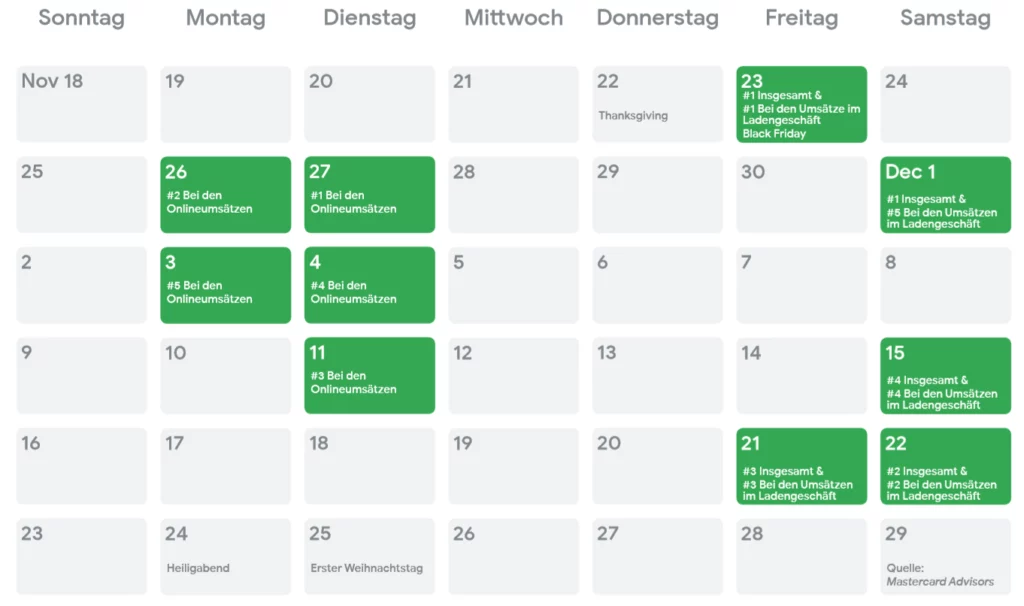
However, demand remains high throughout the pre-Christmas and Christmas season. In fact, 67% of Christmas shoppers say they haven’t finished all their shopping by the week before Christmas[3]. Set clear goals for yourself to ensure a clear performance evaluation. Your campaign budgets should also be flexible and based on data from throughout the year. You should also make short-term adjustments for days when you experienced high traffic volumes last year.
2. Make Your Business Location Easy to Find
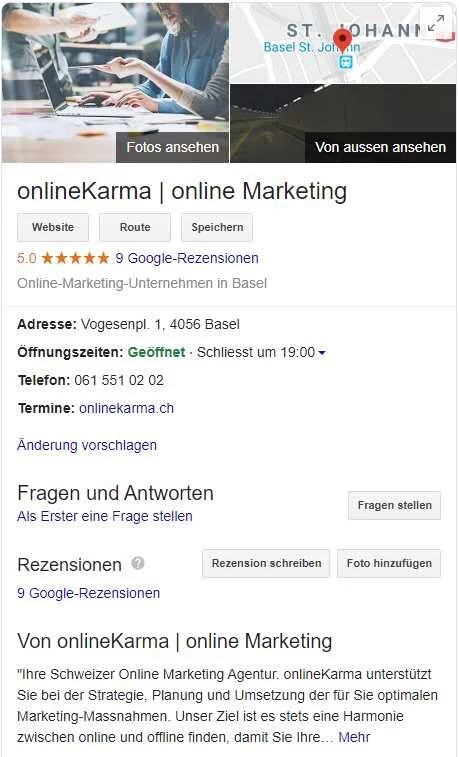
First, if you don’t have a listing on Google My Business yet: What are you waiting for? Google My Business is a very effective tool for promoting your business on Google. Here, you can let customers know how to contact you and when you’re available; you can use photos to give them a glimpse of your business; and you can invite them to leave reviews.
Second: Keep your listing up to date, especially when it comes to opening hours. Searches for the term “opening hours” are never as high as they are on Christmas Eve[4]. You can also create Google Ads campaigns to specifically encourage in-store visits. Ask us how to do this most effectively.
With Grow My Store’s free quick analysis, you can find out how your website measures up against the criteria that matter most to customers.
3. Optimize the Mobile Shopping Experience
Cell phones and tablets have been a major driver of growth in the retail sector. This is due, on the one hand, to direct purchases made via mobile devices, and, on the other hand, to the fact that people research products online before deciding to buy. So it’s extremely important that your mobile website loads quickly and provides a seamless experience.

For example, forms with autocomplete and the absence of interstitial ads ensure a positive shopping experience. It’s also important that key calls to action (“Add to Cart”) and the product price are visible above the fold —that is, without having to scroll.
4. Increase Awareness of Your Brand and Products
Take advantage of the holiday season to reach new customers.
48% of shoppers are open to shopping at new retailers during this time[5].
So make sure your brand is noticed right at the start of the buying process. In your Google Ads campaigns, you should create ads featuring local products and offers. This allows you to highlight products, prices, and other information about a specific store in a particularly eye-catching way.
Plan a Google Ads Campaign for the Holiday Season
5. Use Video Ads Strategically

More than 90% of shoppers say they have discovered new products and brands on YouTube[6], and more than half report that online videos have helped them decide on a particular brand or product[7].
Harness the power of video for your business: gift recommendations, product demos, or a tour of your store—provide your customers with useful and inspiring video content at every stage of the buying process.
6. Identify Valuable Target Audiences
Online advertising—and Google Ads in particular—offers excellent optimization opportunities thanks to the wealth of data you can collect about your target audiences. Create audience lists to find new customers based on their interests, habits, search terms, and past interactions with you. And use lookalike audiences to reach people who are similar to your customers.

7. Turn new customers into repeat customers
Use personalized ad copy to target your existing customers, or draw their attention to specific promotions for loyal customers. In addition, remarketing gives you the opportunity to directly re-engage customers who dropped off during the purchasing process.
77% of shoppers say they regularly or occasionally abandon the purchasing process when shopping online[8].
It would be a missed opportunity not to reach out to these people again—perhaps even with a special offer.

Thanks to this simple checklist, you and your business will be perfectly prepared for the hectic Christmas shopping season. Soon, your customers will be saying about your product, “All I want for Christmas is you!” 😊

[1] This is a summary of the 2019 Holiday Retail Playbook by Google for Retail
[2] Google/Ipsos, Omnichannel Holiday Study, November 2018 through January 2019, U.S.
[3] Google/Ipsos, Omnichannel Holiday Study, November 2018 to January 2019, U.S.
[4] Google data, Nov. to Dec. 2018, Switzerland
[5] Google/Ipsos, Omnichannel Holiday Study, November 2018 to January 2019, U.S.
[6] Google/Magid Advisors, The Role of Digital Video in People’s Lives, August 2018, Global
[7] Google/Ipsos, How People Shop with YouTube, July 2018, Global
[8] Google/Ipsos, Shopping Tracker, January through December 2018, U.S.