
Social media marketing is essential in today’s digital landscape. Businesses of all sizes can benefit from the advantages that social networks offer—whether it’s to reach their target audiences, increase brand awareness, or ultimately boost sales. As a social media agency, we’ll show you nine effective strategies to help you succeed in social media marketing.

What is social media marketing?
Social media marketing involves using social media to communicate with your audience. You share content and encourage interaction. The goal is to build relationships with potential customers and foster loyalty within your existing community.
Platforms such as Facebook, Instagram, X (formerly Twitter), and LinkedIn play a central role in this. Each of these networks offers unique opportunities that can be leveraged depending on the target audience and marketing goals. Social media marketing is not just a trend, but a necessity for any modern marketing strategy.
What does a social media marketer do?
Social media marketing is about interacting with your target audience through various social media platforms. The focus is on creating and sharing content that is tailored to the interests and needs of the target audience.
In addition, social media is used to run advertising campaigns, monitor market trends, and continuously analyze what content resonates with the target audience.
What do you need for social media marketing?
Successful social media marketing requires a clear strategy tailored to the company’s specific goals. This begins with an analysis of the target audience to determine which social networks are most relevant and what type of content resonates with the target audience.
In addition, tools for content creation and planning are needed, such as graphic design tools or video editing software.
Analytics tools are important for measuring the performance of posts and adjusting the strategy accordingly.
Furthermore, it requires dedication and community management to respond promptly to comments and messages and to build a close relationship with the community.
What are the goals of social media marketing?
Objectives may vary depending on the strategy and the company’s goals. While some companies focus on increasing brand awareness, others primarily aim to strengthen customer loyalty or generate direct sales. Nevertheless, there are three common objectives that appear in most strategies: brand awareness, customer loyalty, and conversions.
Brand awareness is increased by regularly posting relevant content that informs and entertains the audience.
Customer retention aims to strengthen existing customers’ connection to the brand through interactions and personalized communication.
Conversions refer to specific actions that users are expected to take, such as purchasing a product, filling out a form, or signing up for a newsletter.
Why is a social media strategy important?
A well-thought-out social media strategy is the key to success. Without a clear strategy, it can be difficult to achieve the desired results. It is important to set goals and continuously monitor progress.
A solid strategy involves defining the target audience, selecting the appropriate platforms, developing content, and establishing KPIs (Key Performance Indicators) to measure success. A good strategy is essential for consistently creating engaging content. This helps generate interest and increase brand awareness.
Effective Strategies for Success:
1. Target Audience Analysis
A thorough target audience analysis is the first step toward a successful social media campaign. Understand who your target audience is, which platforms they prefer , and what kind of content appeals to them. Use tools like Google Analytics and Facebook Insights to gain detailed insights. Be sure to analyze demographic data, interests, behavior patterns, and preferences.
A precise target audience analysis helps you create tailored content that resonates better and generates more engagement. It also enables you to use your marketing resources more efficiently and achieve higher conversion rates. A thorough target audience analysis helps identify new market segments and reach potential customers who have been overlooked until now.

2. Choosing a Platform
Not all social media platforms are the same. Choose the platforms that best suit your target audience and your goals.
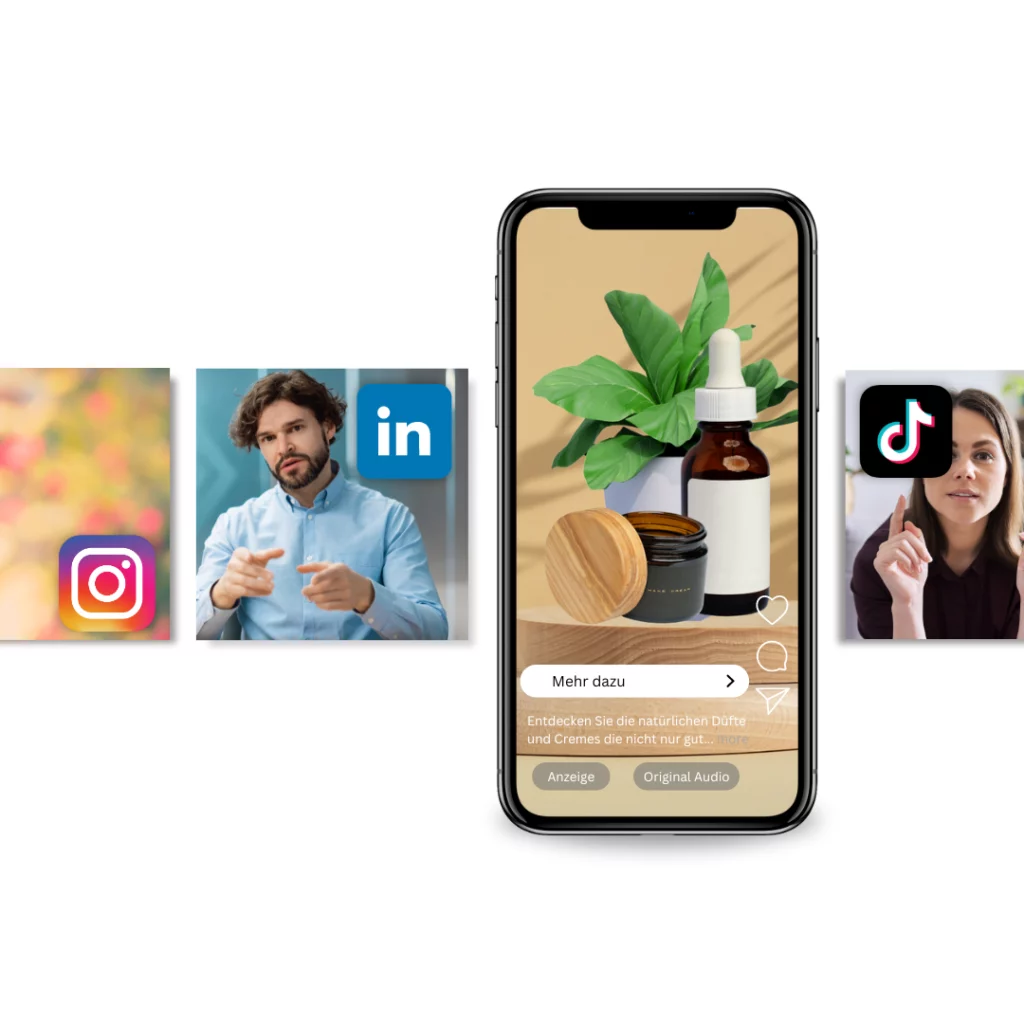
Facebook, Instagram, X, LinkedIn, and Pinterest each offer different benefits and target audiences. Facebook and Instagram reach a broad audience and are ideal for brand awareness and customer engagement. LinkedIn is perfect for B2B marketing and professional networking. TikTok appeals to a young, creative audience and is ideal for viral campaigns, while Pinterest offers visual inspiration and is particularly well-suited for DIY, fashion, and home decor brands. Nevertheless, it’s difficult to make a blanket statement, as each platform offers a wide range of applications and significant potential.
Platform X (formerly Twitter) has faced repeated criticism since Elon Musk’s acquisition. At this time, we do not recommend advertising on the platform. Learn more about the reasons in our new blog post: 7 Reasons Why Companies Should NO LONGER Advertise on X (formerly Twitter).
Choosing the right platform is crucial for effectively reaching your target audience and achieving your marketing goals. It’s important to understand the pros and cons of each platform and incorporate them into your strategy.
Here you’ll find an overview of all social media platforms and our services.
3. Content Planning and Creation
Plan your content in advance and create an editorial calendar. High-quality content is key to engagement. Use a mix of text, images, videos, and infographics. Tools like Hootsuite and Buffer can help with planning and publishing.
Make sure your content is relevant, informative, and entertaining. Storytelling humanizes your brand and creates an emotional connection with your target audience. It’s a powerful way to achieve this. Be sure to draw on current events and trends to keep your content timely and engaging.
An editorial calendar helps you stay consistent. It ensures that your content reaches your audience regularly and at the right time. Incorporating user-generated content can also boost authenticity and engagement.
4. Engagement and Interaction
Actively engage with your community. Respond to comments, share relevant content, and participate in discussions. This strengthens your relationship with your target audience and fosters brand loyalty.
Engagement goes beyond simple interactions; it’s about building an active and vibrant community. Regular Q&A sessions, surveys, and contests can help increase engagement. You should also respond to feedback and use it to improve your products or services.
An engaged community can also serve as a valuable source of word-of-mouth and organic growth. Through open dialogue and community building, followers feel more connected to your brand and are more likely to support it.
5. Influencer Marketing

Influencer marketing can significantly expand your reach. Find influencers who align with your brand and have a relevant target audience. Tools like BuzzSumo and Traackr can be helpful for managing influencer relationships.
Through their authenticity, influencers can help build their followers’ trust in your brand. Choose influencers who are a good fit for your brand and whose followers can relate to your products.
As an influencer agency, we carry out well-planned influencer campaigns that not only increase brand awareness but also drive direct sales and boost customer loyalty. Collaborating with micro-influencers can also be very effective. They often have a highly engaged and loyal following.
6. Social Media Advertising

Paid advertising on social media can increase your visibility and enable targeted campaigns. Make effective use of the advertising options offered by platforms such as Facebook Ads, Instagram Ads, and LinkedIn Ads.
Social media advertising allows you to segment your target audience based on specific demographic characteristics, interests, and behaviors. This enables you to send tailored messages to the right people at the right time.
It’s important to conduct A/B tests and continuously optimize your ads. This allows you to achieve the best results and make the most of your advertising budget. Through detailed audience segmentation, you can ensure that your advertising messages are as relevant and impactful as possible.
7. Analysis and Optimization

Regular analysis is essential for measuring the success of your social media activities. Use tools such as Google Analytics, Facebook Insights, and Hootsuite Analytics to collect data. This data will help you improve your strategies.
Track metrics such as reach, engagement, conversion rates, and ROI to assess the effectiveness of your campaigns. Identify which content and strategies work best, and adjust your approach accordingly.
Through continuous optimization, you can refine your social media strategy and achieve lasting success. Regular reporting and analysis help you identify trends and respond quickly to changes in user behavior.
8. Trends and Hashtags
Stay up to date on trends and use relevant hashtags to reach more people. Tools like Hashtagify and Trendsmap can help you find popular hashtags and trends. Viral trends and popular hashtags can help more people see your posts, which will significantly increase your reach.
Make sure the trends and hashtags you use align with your brand and content. This helps maintain authenticity and drive engagement. Participating in relevant trends can also increase your brand’s visibility and position you as a relevant and modern player in your industry.
9. Continuity
Consistency is key to long-term success. Post regularly and maintain a consistent brand voice. A well-structured editorial calendar can help you stay on track.
Consistency also means that your visual and textual content is uniform and recognizable. This strengthens your brand image and builds trust with your target audience.
Plan ahead and organize your social media activities well. This will help you maintain a consistent presence and level of engagement. Consistent communication and regular interaction with your community help strengthen brand loyalty. A consistent brand image helps build trust in your brand and improve customer loyalty over the long term.
What are the advantages and disadvantages of social media marketing?
Social media marketing offers numerous advantages. It is often more cost-effective than traditional advertising methods and reaches a large target audience. Another advantage is direct communication with customers, which allows companies to respond quickly to questions, suggestions, or criticism. In addition, ongoing dialogue with the community strengthens customer loyalty and can build a loyal following over the long term. Targeted advertising allows companies to precisely reach specific demographic groups.
On the other hand, social media marketing also presents a number of challenges. It requires constant maintenance and updating of content to remain relevant, which takes up a lot of time and resources.
If left unanswered, negative comments or criticism can quickly gain widespread attention and jeopardize the brand’s reputation. However, they also offer an opportunity to demonstrate authenticity and show that you value constructive feedback. Such interactions provide a valuable chance to strengthen the community’s trust and deepen your relationship with customers. In addition, negative comments can often be used as a valuable source for identifying weaknesses and making targeted improvements to your performance or product offerings. An open approach to criticism can increase brand loyalty in the long term and even turn potential crises into positive developments.
Real-World Success Stories
Successful social media campaigns demonstrate just how effective these strategies can be. The Dove campaign and the viral Nike challenges highlight the impact of social media marketing.

Social media marketing can be very effective. These campaigns use emotional stories and relevant content to build strong relationships with the target audience. This allows brand messages to be conveyed effectively.

The Dove “Real Beauty” campaign is an example of how social media can be used to convey powerful brand messages. It challenged conventional beauty ideals by showcasing real women of different body shapes and sizes. Videos, photos, and stories promoting self-acceptance were shared on platforms such as Facebook and Instagram. User-generated content played a central role in this effort by encouraging women to post their own experiences. This built a strong emotional connection with the target audience, reinforced the brand’s values, and resulted in broad reach and customer loyalty.
Do you have any questions or need assistance?
Frequently Asked Questions (FAQ)
Honest answers to the questions we hear most often.
Which platforms are best suited for social media marketing?
The choice of platform depends on your target audience and your goals. Facebook, Instagram, Twitter, LinkedIn, and Pinterest are some of the most popular platforms. Each platform has its own strengths and specific target audiences, which is why it’s crucial to choose carefully and tailor your approach to your marketing strategy.
How much does social media marketing cost?
Costs can vary widely and are closely linked to the company’s goals and strategy. The planning and implementation of the strategy must be tailored to specific goals, such as brand awareness, customer loyalty, or direct sales.
Smaller companies that want to grow organically can get started with relatively little expense, often relying on simple tools for planning and analysis. However, additional costs arise from content creation, such as working with professional photographers or graphic designers.
Paid ads, such as Facebook Ads or Instagram Ads, require a flexible budget that can vary widely depending on the target audience and desired reach—from a few hundred to several thousand euros per month. In addition, expenses for planning tools and influencer collaborations should be taken into account. Agencies offer customized solutions, the cost of which varies depending on the scope of services and objectives.
In addition to financial investments, social media marketing also requires a significant time commitment. In particular, developing a well-thought-out strategy, continuously creating content, and regularly analyzing performance are time-consuming tasks.
How can I measure the success of my social media activities?
Use analytics tools such as Google Analytics, Facebook Insights, and Hootsuite Analytics to collect data and optimize your strategies. By regularly reviewing performance metrics, you can see which tactics are working and which areas need improvement. This allows you to take targeted actions to maximize your results.
What are the benefits of influencer marketing?
Influencer marketing can significantly expand your reach and help you connect with a relevant target audience. Influencers often have a loyal following that trusts their recommendations , leading to greater credibility and potentially higher conversion rates. By collaborating with influencers, you can convey authentic and impactful messages that resonate with and inspire your target audience.
Conclusion
Social media marketing offers immense opportunities for businesses to reach their target audiences and increase engagement. By applying these nine strategies, you can optimize your social media presence and achieve long-term success. From thorough target audience analysis to continuous optimization and the use of influencers—each strategy helps make your social media activities more effective and successful. This blog post is intended to serve as a comprehensive guide and help you successfully navigate the world of social media marketing.