
Introduction
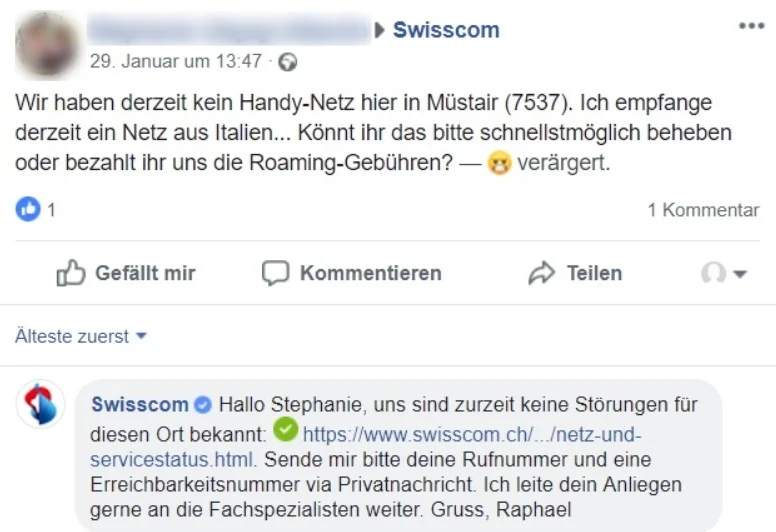
Companies across all sectors (both B2C and B2B) are paying increasing attention to handling online reviews professionally .
Responding to online customer reviews is especially important because 89% of consumers are “very” or “somewhat” likely to choose a company that responds to all online reviews (2021 study).
Online reviews also offer you a promising opportunity to learn from your customers’ experiences and adjust your focus accordingly.
With every review, you can also show your current and potential customers that you value their opinions and experiences and take them seriously.
Take advantage of the opportunity presented by a negative review!
Don’t be afraid of online reviews. Even if you receive a negative review, see it as an opportunity.
A customer whom you assist competently when they file a complaint will often be a more satisfied and loyal customer than before.
Show that your company is made up of people who take criticism seriously and address problems.
Positive reviews on Google, Facebook, TripAdvisor, and other sites also help you with SEO and boost the so-called “social proof effect.” Here you can find out which review platforms are particularly important.
This is particularly relevant for Google My Business reviews, as Google has confirmed that the response rate for reviews is a key factor in how it ranks businesses in Google search results.
Whether it’s a Facebook review or a Google review—keep the following tips and tricks in mind as you work toward providing excellent customer service.
1. Respond to online reviews as quickly as possible
If a customer takes the time to write an online review , it usually means that they have thoroughly evaluated your product or service.
The longer you wait to respond, the more likely the person is to think that your company isn’t interested in their opinion.
That’s a real shame in the case of a positive review, and it can be devastating in the case of a negative one.
By responding quickly to both positive and negative reviews, you show that your company is listening and takes your customers’ opinions seriously.
A recent study found that 53.3% of consumers expect brands to respond to reviews within 7 days.

2. Got a bad review? Offer a solution to the problem
-
Your goal should be to resolve the problem.
-
Be careful when offering apologies, as they can also be misinterpreted.
-
You may not understand why the customer gave a poor rating. It may also take more effort to resolve the issue. However, try to be responsive to the customer and show empathy. Perhaps a good solution can be found through a personal conversation.
-
Keep in mind that your response may always be visible to everyone (even personal emails can be posted online).
-
Focus on the perspective of the dissatisfied customer. But don’t forget that potential new customers will also read your response and form an impression of your company based on it.
-
Even if your proposed solution isn’t accepted, you’ve clearly shown that you always want to satisfy your customers.
-
To ensure long-term success, it’s definitely worth your while to address a negative review. This should therefore always be your goal.
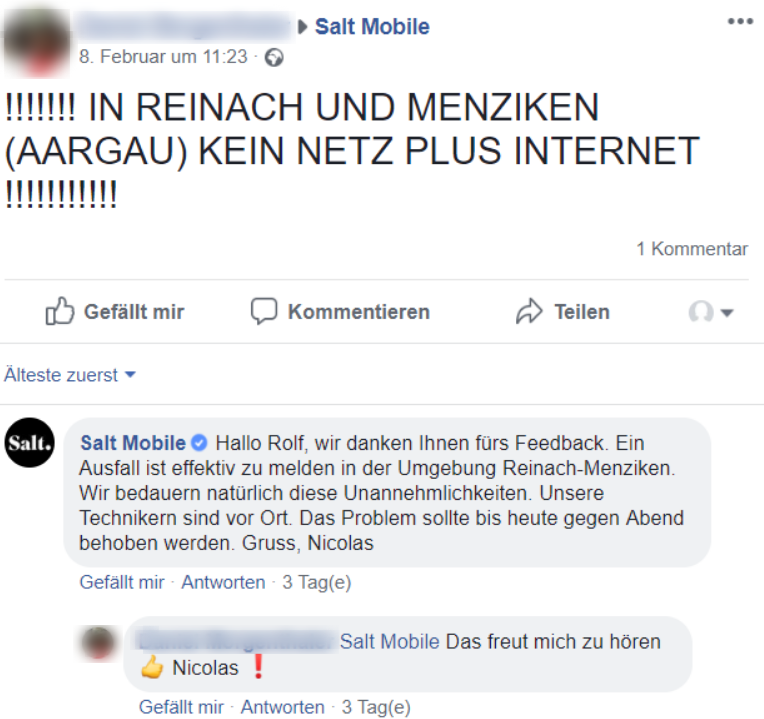
3. Respond in a personal way
A Google review—or an online review on other platforms—is an ideal opportunity to define your brand’s voice and establish it with your customers.
If you don’t come across as a pushy salesperson but instead let a little humor shine through here and there, it’s a great way to set a pleasant tone for the conversation and ease any tension that might be present.
In addition, using language tailored to the customer is an opportunity to build stronger customer loyalty.
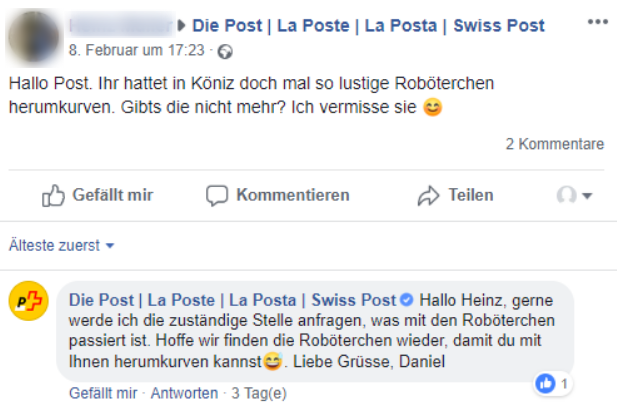
4. Always respond to customer reviews respectfully
Always remember to treat your customers with respect, even if you might not understand their negative review or if the person crossed the line in their tone!
Also, don’t confuse familiarity with politeness.
Even if you’ve already established a trusting relationship with a customer, you should always respond to complaints in a friendly and polite manner.
A tone that’s too familiar—almost like you’re talking to a buddy—could give the impression that you’re not taking the problem seriously. The trick, then , is to respond politely to negative reviews while still adding a personal touch.
5. Show empathy
A kind word of sympathy and understanding for the situation can help smooth things over at first.
You are no longer just “an abstract company that sold a poor product to the customer,” but a real point of contact who shows interest and understanding. This alone makes a significant difference to your customers.

6. Review your answer before clicking "Submit"
It’s very important to take a quick look to check your message before sending it. If a reply contains spelling or formatting errors, it quickly gives the recipient the impression that their request isn’t important or was simply handled as an afterthought.
7. You respond to your entire community
Don’t just put yourself in the shoes of the dissatisfied customer; also consider the other customers who will read your response.
You should ask yourself: What impression does my company’s response convey? For example, might potential new customers be concerned that their orders will arrive late or have quality issues?
Also try to address concerns that are obvious but haven’t yet been posted by your customers.
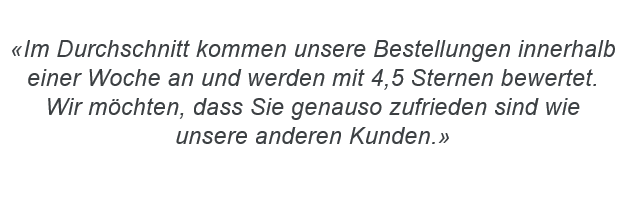
8. Follow up on these matters “offline” as well
This is a good way to establish genuine contact. During a personal conversation over the phone, you can get a detailed picture of the extent of the disappointment and the desired solution.
This is also an opportunity to let your customers know that you respond to negative online reviews not just to protect your reputation, but because you take their criticism seriously.
Bonus Tip: Don't be afraid to respond with a super-personal video message!
If you’re comfortable with it, there’s no better way to build a connection with your reviewers than with a personal video message.
Watch as Head Chef John Howie from Seastar Seafood Restaurant and Raw Bar responds to two customer reviews on Yelp — both positive and negative.
Responding to a negative review promptly, respectfully, and thoughtfully can turn a dissatisfied customer into a brand advocate.

Faking Reviews?
Fake reviews can be bought—unfortunately, that’s just the way it is. But on the one hand, this is illegal, and on the other, it’s immoral (or unethical—maybe both :).
Swiss law rightly refers to such acts as “fraud”:
Art. 146 1. Crimes Against Property. / Fraud
Fraud 1 Any person who, with the intent to unlawfully enrich themselves or another, deceives another person by misrepresenting or concealing facts, or maliciously reinforces that person’s error, thereby inducing the deceived person to act in a manner that causes financial harm to himself or another person, shall be punished by imprisonment for up to five years or a fine. 2 If the offender acts in a professional capacity, he or she shall be punished by imprisonment for up to ten years or a fine of not less than 90 daily rates. 3 Fraud committed to the detriment of a relative or family member shall be prosecuted only upon complaint.
Here are a few good articles on this topic:
What Should You Do About Fake Reviews?
-
Request Removal “Request Removal of Content Due to Legal Violations”
-
Hire a specialized attorney
More information from Google: Removing reviews from your Google Business Profile
Sources: ReviewTrackers Online Reviews Survey / Local Consumer Review Survey